





| Dental Podcast Episode - The Dr. Phil Klein Dental Podcast | Listen on: |

|

|

|

|
and others. |
Episode 802: Scaling Up: The New Era of Dental Hygiene with Katrina Klein
 |
Are you leaving serious revenue on the table by treating your hygiene department as a break-even cost center? What if your hygienists could become the most powerful case acceptance drivers in your entire practice?
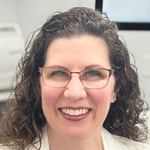
Katrina Klein is a registered dental hygienist with 17 years of clinical experience, national speaker, author, competitive bodybuilder, Certified Personal Trainer, Certified Ergonomic Assessment Specialist, and Functional Range Conditioning Mobility Specialist. She is the founder of ErgoFitLife, an organization dedicated to making ergonomics and fitness a lifestyle for dental professionals to prevent, reduce, or eliminate occupational pain. With nearly 30 years in dentistry and a reputation as a leading voice in dental hygiene advocacy, Katrina brings a uniquely evidence-informed, practice-centered perspective to expanding the hygiene role.
In this episode, Dr. Phil Klein and Katrina Klein challenge the widely held belief that the dental hygiene department is a loss leader, arguing instead that it can and should be a significant revenue-generating hub within any practice. The conversation covers how hygienists can move beyond scaling, root planing, and prophy to incorporate soft tissue laser therapy, adjunctive periodontal therapies, oral probiotic recommendations, airway assessment, implant maintenance, and orthodontic case co-diagnosis. They also address the current HR crisis in dental hygiene, the growing threat of DSO models utilizing minimally trained personnel for hygiene-adjacent procedures, and the critical importance of philosophical alignment between hygienists and practice owners. This discussion is essential for any dental team serious about elevating patient care and practice profitability simultaneously.
Episode Highlights:
- A hygiene department focused solely on prophylaxis and scaling and root planing is unlikely to cover its own overhead at current wage rates. By incorporating comprehensive assessments, adjunctive periodontal therapies, airway screening, oral cancer screening, and co-diagnosis of restorative needs, hygienists can transform their operatory into a consistent revenue generator beyond insurance reimbursement ceilings.
- A real-world case was presented in which a non-compliant periodontal patient was introduced to an adjunctive peroxide-based tray delivery system, resulting in reduced calculus burden, improved periodontal health, tooth whitening, and ultimately full patient buy-in for clear aligner therapy and soft tissue laser treatment at every maintenance visit — all within an insurance-based practice.
- Soft tissue laser therapy is identified as one of the highest-impact tools available to hygienists, yet lasers frequently sit unused in practices because hygienists lack hands-on training and confidence. Sending the hygiene team together to live, hands-on continuing education courses — rather than passive lecture-format CE — is recommended as the most effective strategy for clinical adoption and team-wide implementation.
- Peri-implantitis is described as a growing clinical priority, with hygienists now encountering implant patients at nearly every maintenance appointment in periodontal-focused practices. Updated protocols have replaced outdated instrumentation approaches, and ongoing continuing education is emphasized as essential for hygienists to confidently probe, assess, and educate implant patients on proper home care.
- A legislative trend is emerging in multiple states allowing dental assistants with as few as 120 hours of training to perform supragingival scaling under DSO models, creating a direct workforce and quality-of-care challenge for registered dental hygienists. Hygienists are encouraged to proactively demonstrate their expanded clinical value, advocate for their scope of practice, and educate patients on the meaningful difference between credentialed hygiene care and minimally trained scaling services.
Perfect for: Dental hygienists at all career stages looking to expand their clinical role and earning potential, general dentists and practice owners evaluating hygiene department productivity, and dental residents or new graduates building their philosophy around comprehensive team-based care.
If you have ever wondered whether your hygiene department is working as hard as it could for your patients and your practice, this episode will completely reframe how you think about it.
Disclaimer
Viva Learning LLC sites offer content that include opinions, techniques, recommendations, etc. from a variety of writers and speakers that are not necessarily endorsed by Viva Learning LLC, its associates and sponsored Viva Affiliates. Viewers are responsible for verifying the validity, accuracy and relevance of all content before implementing any techniques, products or recommendations into their clinical setting. Viewers understand that Viva Learning LLC, its associates, writers, speakers and sponsored Viva Affiliates are not in any way responsible or liable for any adverse events that may occur (i.e., in a clinical setting or anywhere) based on any information disseminated from Viva Learning LLC sites, including all Viva Learning sites.
The copyrights and other rights to the slides and video contained in a webinar posted on this website are owned by the speaker, Viva Learning LLC, and/or the sponsor company and/or its subsidiaries worldwide. Viewers are only authorized to view the content of the webinar (live and archive) at this Website and are not permitted to screen capture, record and/or download any content displayed in this webinar. You may not make any part of this Website available as part of another web site whether by hyperlink framing on the Internet or otherwise.
The copyrights and other rights to the audio contained in a Viva Podcast are owned by Viva Learning LLC. Viewers are authorized to listen to the content of the podcast and are permitted to download any podcast for personal use only. You may not, however, make any part of this Website available as part of another web site whether by hyperlink framing on the Internet or otherwise.
By signing up for a free webinar and/or podcast you give Viva Learning LLC and/or its Viva Learning Affiliates permission to send you emails alerting you to future CE opportunities and e-learning content.
California State Dental Board Provider Statement
Viva Learning is a registered continuing education provider in the state of CA. Dental Board of CA Provider #RP 5747. Approved through 6/30/2026
Questions regarding our Conditions of Usage, Privacy Policy, or other policy related material can be directed to our support staff by clicking on the "Support" link or you can email us at: support@vivalearning.com.
Approval does not imply acceptance by any regulatory authority or AGD endorsement.
Approval period: 11/1/2025 - 10/31/2029. AGD Provider # 217544
Presenter Information: Katrina Klein, RDH
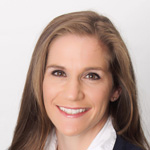 |
Katrina is a 17 year registered dental hygienist, national speaker, author, competitive bodybuilder, Certified Personal Trainer, Certified Ergonomic Assessment Specialist, Functional Range Conditioning Mobility Specialist, and biomechanics nerd. She’s the founder of ErgoFitLife, where ergonomics and fitness are a lifestyle to prevent, reduce or eliminate pain. |
Viva Learning is an approved AGD PACE Provider and California State Dental Board Provider of dental continuing education. Viva Learning strives to deliver balanced, objective and clinically relevant information grounded on scientific research. Lecturers who are invited to deliver Viva CE webinars are advised to substantiate their claims with research-supported data and to disclose all commitments to, or relationships with, any commercial entity within the dental industry. In many cases, lecturers are sponsored by a dental manufacturing company, which provides them with support in the form of honorarium and/or dental products and equipment in order to help with clinical presentations. Prior to each live CE webinar, lecturers are made aware of the importance of delivering their presentations without commercial bias, and where appropriate, to mention a variety of different product choices that may be relevant to the subject matter of the lecture, for the educational benefit of the participant.
Transcript
hygienists are not comfortable with it... Send them out to a course together so that they can go
get some reinforcement. They can become inspired by other hygienists that are doing it every day
and gain some confidence in that skill set. And then have them come back and talk about it with the
team. Here's what we learned. Here's how we're going to implement it. Here's the places where we
can implement it. Because a CE course can be me sitting on my phone for four hours while the
lecturer is talking. Or I'm doing it, I'm learning it, and I'm excited about it.
Welcome to Austin, Texas, and welcome to the Dr. Phil Klein Dental Podcast. In today's episode, we're
challenging the traditional boundaries of the dental hygiene role. Our guest, Katrina Klein,
is here to share why it's time for hygienists to move beyond the familiar routine of scaling,
root planing, and prophy. She's convinced it's time to step into a more expansive, impactful role
within the dental practice. She believes that hygienists are uniquely positioned to do so much
more, but it starts with one key shift, allowing more time with patients to have meaningful
conversations about their oral and overall health. This could mean, perhaps, integrating soft
tissue laser therapy into the visit and talking to the patient about the benefits of advanced
periodontal therapies, implants, airway device implementation, orthodontic aligners,
nutritional counseling, and even probiotic regimens. By understanding the patient's oral health,
hygienists can be the catalyst toward additional services, more comprehensive patient care, and
ultimately higher revenue for the practice. Katrina also emphasizes the importance of pursuing
continuing education and returning to the practice ready to share new knowledge with the team,
creating a unified approach to care. We're happy to have Katrina Klein on the show. She's been a
registered dental hygienist for 16 years. She's a national speaker, author, competitive
bodybuilder, certified personal trainer, and certified ergonomic assessment specialist.
She's the founder of ErgoFitLife. She has a great website at ergofitlife.com where ergonomics and
fitness are a lifestyle to prevent, reduce, or eliminate pain. Before we get started,
I'd like to thank all of you for tuning in. If you're enjoying the show, please follow us on Apple
Podcasts and Spotify, and even better, leave a review. By doing so, you're not only showing support
for what we do here, but your reviews are instrumental in getting more dental professionals to
listen and benefit from our content. We really do appreciate it. Katrina, we're very happy to have
you on the show. Pleasure to be here as always. So today we're going to be talking about the
hygiene department specifically. And there seems to be the notion among some dentists,
dentist practice owners, that the dental hygiene department in some ways is a lost leader.
So what do you say to that, Katrina, when you hear a dentist saying, yeah, my hygiene department is
break-even at best, and we're not making much money on it, but we need to have it. It's not a
profit or revenue generator. Are they looking at this totally incorrectly? So you're totally right.
You know, the least expensive thing in any dental office is prevention, right? And that's the thing
that we will often give away for free. It's the thing that the insurance companies, you know,
essentially will cover at a bare minimum. And so if the hygiene department is just doing prophy
after prophy after prophy, we may or may not even be covering the expense of our own wages,
especially in today's rates, right? And the reality is it shouldn't be that way.
And if we have a hygiene department that is practicing comprehensive hygiene and we are using all
of the tools at our disposal, we can be a huge revenue generating department,
not just for co-diagnosis of restorative needs, but also periodontal needs.
You know, there's an entire specialty of periodontal out there. And so much of it starts right in
our hygiene rooms. And oftentimes it seems like either there isn't enough time or there's all of
these other things that curtail the hygienist from being able to practice into that realm where we
have the opportunity to really make the hygiene department a revenue generator.
Yeah. When you hear a dentist say, I think I need to get my dental. my dental hygiene department
producing more. They need to do more profis. They need to do more scaling root planning. They're
not billing for enough. How do we get our hygiene department to start doing more of these things so
we can keep billing for it and justify the salaries and make some money on this department? What is
your response to that? So my response is that they're being short-sighted. We're looking at today
instead of looking at the long game of things. And if we are...
our goal is just to bill out a bunch of D110s, we know that we're not going to, A, that's not
profitable. And B, if we look at the studies, we know that that's not even providing the actual
care that most of our patients need. You know, we have a lot of periodontal issues that are going
on that are not even being addressed or looked at because we're just trying to get as many of these
other things as we can. So I would say what that tells me is we're coming from a place of fear. It
tells me that we don't know or we are just simply not using the tools that we have at our disposal
right now and that we need to look at the bigger picture things. It tells me we're either not using
our hygienist to the full scope of their abilities or that we simply don't have the tools for them
to adequately do those things so that we can say, hey. We can be doing laser.
We can be doing pharmacological remedies here. There's a lot of things we can do in the hygiene
department that not only develop revenue, but also really make what I call the trust factor,
the relationship factor in the office so that the patients have higher case acceptance better.
But most importantly, delivering the care that the patients actually need. I think you're making a
great point, Katrina, because I think hygienists are positioned perfectly to open the doors for
patients to understand that there's additional care that they may need. You use lasers as an
example. If the office uses lasers, that's a great time to talk about the laser treatment they can
benefit from, and periosurgery, if necessary, and so forth, grafting. These, of course, are the
kind of procedures that will help the patient and also... bring more revenue to the practice.
Do you feel dental hygienists are trained enough from their hygiene programs to do this
effectively? Absolutely. You know, I mean, the reality is we do have the training, you know,
we get even if we're not laser certified, for example, since we're using that as an example, we do
have the education to talk about nutrition and things like that. I mean, we talk about how that's
not a revenue generator, but what about oral probiotics? That can generate revenue.
If we see a patient that is having, you know, a lot of systemic health issues, they're having
microbiome issues, you know, really being able to dive into those conversations with people that
can end up providing revenue to the practice. What we miss, what we really miss in all of this is
that the job of a hygienist is so less about scraping the manual removal of debris.
then it is about assessment that's where we make the money in a dental practice is through
assessments we're the diagnostic team so if we're not able to go in there and do all these
assessments are you having bleeding are you having perpetual inflammation you know is your diet or
your wellness do you have an airway that's impacted by the soft tissues in the back of your throat
are we even doing an oral cancer screening all this education that we get is going into doing
manual scraping of bio burden. Give me a break. We can do so much more.
Right. And I do see this as being a great thing for the dental hygienist as far as career
satisfaction. I see that. But again, in real numbers, it's not that easy to measure the financial
gain by recommending whatever you mentioned for diet. What did you mention?
The oral probiotics. Does the office actually sell? oral probiotics okay so that's so they can sell
is a company that sells an oral probiotic that you can deliver right there in the operatory you can
also send it home with a patient so that they can incorporate it into their regular routine it's
not just selling toothbrushes you know we don't have to sell toothbrushes really very much anymore
and in many places But, you know, again, there's a variety of things that we have in our toolbox.
But what's happened is we haven't practiced to the full capacity of our scope in that detective
setting. And so we've lessened ourselves as hygienists by not advocating for our scope and
therefore reducing the practice's income. And that's not fair to the patient, the practice or the
provider that did all this education. We'll be getting right back to our guest in a second, but
first, for the optimal bond between zirconia and your resin cement, check out Bisco's Z' Plus.
Rated best in class by thousands of top clinicians, Z' Plus, featuring MDP,
creates a strong, reliable bond to zirconia, metal, and alumina substrates.
and nothing could be simpler it comes in a single bottle and it's 100 compatible with both light
cured and dual cured resin looting cements it's time you get the most out of your zirconia
restorations to learn more about z prime plus and the entire bisco adhesive product line visit
bisco.com so give me an example of a patient who goes to a dental hygienist that's doing all the
things that you're recommending and they accept a big case a much more expansive case that would be
a solution for their oral condition for the long term. And that may be implants,
it might be periodontal therapy first, then implants, extracting some teeth, and really rebuilding
their occlusion so that once they get their occlusion in place, they won't have these periodontal
issues and all these problems down the road. Give us an example of something like that,
that a dental hygienist could set up. so that that patient moves to that kind of case acceptance oh
i love that so i actually had a patient just like this this man was was an older gentleman had
routine um root planning done every couple years was non-compliant um did not did not do the thing
was not gonna floss all the things um after he saw me i finally convinced him to do perio protect
wisdom which is an adjunct uh tray that they wear with a peroxide based gel in it i got him to wear
it for 10 minutes a day he was coming in every three months he noticed a that his cleanings were
easier for him because the denatured calculus so that made his visits better um it made a that
happened which is huge right the ergonomics for the provider was better so our visits were better
His periodontal health improved. His teeth got whiter. And because he was proud of the way that his
teeth were looking, he then eventually did Invisalign. And he was well into his 60s or 70s.
I mean, he was an older gentleman. And he did Invisalign, which, of course, you know, when your
teeth are aligned correctly, things are going to be able to be easier to clean. He's going to lose
less teeth, all of the things. So we won. We won that battle and we won it with the teamwork of the
patient who was totally on board and was happy and smiling after all this. That got the doctor
orthodontic case, perioprotect, which is a routine thing they have to keep doing. And then that
patient was coming in religiously for those periodontal maintenance, having a good time, reviewing
the office well and not resenting us every time he walked in the door. Yeah, no, and there's no
question about it. It's almost like when you have someone come over to your house, a contractor,
to fix a part of your home. Let's say it's the side of the house needs repaneling or whatever on
the outside. And then they make it look really good. And then you go, wow, that was really good.
And you're a nice guy. You're so honest with us on the pricing. The back windows don't seem to be
working very well. And soon enough, all the windows are replaced. And then they come in and put a
new kitchen in. I guess what you're saying is that by going beyond the typical responsibility of a
dental hygienist, which is to do the things we talked about on the top of this podcast, you're
opening up the opportunity for that office to do many more things down the road. And also the first
interaction, the first major interaction that patient has with that dental office to any extent is
the dental hygiene department, right? Because that's kind of the first place they start. Right. And
these things, even if they, I mean, These are adjunct things that are not part of an insurance
policy, and they were still getting their, I don't know, $37.50 that they're reimbursed for their
PMT appointments. But, you know, the patient was invested in his care because he was getting
results, and therefore he was willing to go above and beyond his fee-for-service product.
you know your your pmt and do the invisalign do the you know do the perio protect um eventually he
was doing laser with us too every pmt i mean he was really invested now because he was getting
those results and again pm this was a fee for or not a fee for service office this was a you know
they were insurance yeah so it's not just limited to those offices right you're saying this is not
just limited to the to the offices that are not interested in insurance, they don't want to be part
of that whole thing, and they just, whatever the fee is, the patient's got to pay, and they have to
get reimbursed if they have other things that can reimburse them on their own. You're saying this
is anybody, any office could benefit from this approach. Absolutely. So practically,
Katrina, the way this has to work, obviously, is that the dental hygienist has to have some
agreement with the dentist that... approach would go this way. They would be opening up the door to
more treatment. I don't see why a dentist would oppose that, but I'm sure that would have to be
worked out with a dentist beforehand. In addition to that, what are your feelings about a hygienist
being rewarded in some fashion for increased production that comes out of that patient,
such as Invisalign or airway devices? Before we jump back to our guest, I want to take a moment to
thank our sponsor, EMS, the company behind guided biofilm therapy, or GBT.
If you haven't heard of it, GBT was developed with leading universities and clinicians, and it's
quickly becoming the gold standard for managing biofilm. What makes it so effective is the
minimally invasive, evidence-based approach. With airflow, perioflow, and piezon technologies,
GBT gently removes biofilm, stains, and calculus with impressive precision.
Patients really notice the comfort and speed, and hygienists love how efficient the workflow
becomes. No surprise that thousands of practices worldwide are already seeing great results.
And EMS makes it easy to bring GBT into your practice with clinical guidance,
marketing support, and a clear plan for implementation. So check out the GBT-ready practice setup
at gbt-shop.us. I definitely think that this bridge can be gapped in such a profound way if we
allow the hygienist to have the autonomy to treat those patients, to make some decisions in that
arena. And I think it happens not just because, let's face it, dentists are dentistsing.
They're doing restorative things. They're trying to run a business. They don't want to micromanage.
And this is why so many hire office managers. Leave yourself of that duty. That is great,
right? We're a team. We're a collaborative team. We're working together, coming from a prevention
and also from a treatment mindset. We're dealing with the patients together as a team. That doesn't
put us as a... I'm doing this. You're doing that. You're not doing enough. My procedures are more
blah, blah, blah. You're the burden on the office. It takes that whole conversation and erases it
because now we're working together for the same common goal. But absolutely, we've got to be in
alignment. I've personally worked in offices where I've gone in for my interview and I have these
tough conversations and I tell hygienists to have conversations that are tough. in their interview.
If the dentist doesn't believe in the things that you philosophically believe in, don't go there.
You're not going to work. It's going to be an uphill battle the whole time. I personally am a huge
fan of laser and I worked in an office where they didn't want to do laser and I didn't find out
about it until later. And it was just, it was a constant issue, you know, over and over. And so for
me, I'm thinking, this is not just great for my patient. It's great for the practice. Why wouldn't
you want to do this? And they just didn't believe in it. I assume some of these offices embraced
your suggestions and ideas and were open to it and ended up employing some of the stuff for their
patients and doing quite well. Yeah, yeah. I actually got, I got, believe it or not,
that office to go over to start using PerioProtect, which was phenomenal because, you know,
they could buy into it. It's just whatever that person wants to buy into or not. They were like,
okay, I can see how that would work. And so, you know, you can bring all the science and you can
have all the conversations and show the practical application of that knowledge.
But ultimately, we have to come together. We have to have these tough conversations or we're never
going to make it work. And we have to be a team. It'd be really interesting to put together a
presentation to highlight the difference between continuing on utilizing hygienists for.
scaling root planning and prophy only, and some obviously the things they do with dental hygiene
instruction and so forth, versus doing the things you're talking about and expanding the practice
with additional services being talked about at that hygiene visit, and then comparing how the
office revenue changes on the upside. Do you have a presentation that captures some of that
information? I don't because I don't typically go into comprehensive hygiene as a lecturer.
I try to stay in my wheelhouse. But I do know also that because we are state to state licensed,
you know, like Louisiana, they can't do lasers. California, we can. Some places in Texas just got
the ability for the hygienist to do infiltrations, not even blocks. So like what they can do.
And that also is another way to bridge that gap. You know, as a hygienist, having all of these
extra tools in our toolbox, going in and anesthetizing for the doctor, if you have that in your
scope of practice, I mean, wouldn't that be great for you as a doctor? I mean, why wouldn't you
want that? If I've got a second to do that, you know, we ultimately we have to play team. We have
to play team. But even if the hygienist can't do it his or herself,
the actual procedure that they're suggesting to the patient that they should start using, the
dentist can do it. And the dentist could, it's just a seamless transition from the hygiene
department to the dental operatory where the dentist works. And they're all primed up and ready to
go, the patient. Because they've already been introduced to the benefits and it saves the dentist
time just on the selling of the procedure. They can go right into scheduling and they're good to
go. So let me ask you this, Katrina. What about the actual education necessary to perform these
additional services like laser and the things you were talking about? Is that education available
in the standard hygiene school curriculum? Or is that something that needs to be taken post
-graduation as a continuing education program course type thing? I think it's two different things.
I think that it is the continuing education after hygiene school because, you know, truly we get
out of hygiene school and, you know, we're just trying to become proficient at the craft. We're
just trying to stay on time at that point, right? And they don't necessarily teach all of the extra
things that we can do. So it's through quality continuing education that you learn these things,
the desire to go and learn things that are outside of your basic RDH.
licensed i highly encourage doctors if you have a hygiene team and they're not doing the things
that you think that you know you'd like them to do if you've got lasers that are just dusty in a
cabinet and you want them to use it if those hygienists are not comfortable with it send them out
to a course together so that they can go get some reinforcement. Send them to RGH Under One Roof so
that they can become inspired by other hygienists that are doing it every day and gain some
confidence in that skill set. Maybe do a hands-on workshop or whatever. And then have them come
back and talk about it with the team. Here's what we learned. Here's how we're going to implement
it. Here's the places where we can implement it. Because a CE course can be me sitting on my phone
for four hours while the lecturer is talking. Or I'm doing it, I'm learning it, and I'm excited
about it. So you work with a lot of dental practices, and I know you specialize primarily in
ergonomics. You have a tremendous presence in the dental community regarding your knowledge and
teaching capabilities and training in this field of ergonomics, which is so important to the
longevity of our careers. And by the way, I do want to tell the audience, please visit ergofitlife
.com. Great site. I've been on the site quite a bit. There's a lot of information there regarding
preventing injuries in the workplace. through good ergonomics. So that's our specialty. But with
all that interaction, I'm sure you're observing a lot of things that are going on in these offices.
Do you see offices utilizing the strategy where dental hygienists are expanding the office's
potential through what we discussed today? Or do you think for the most part, dental hygienists,
majority wise, are doing the same old thing? I think that... In light of new legislative measures
to get assistance, potentially scaling or foreign trained dentists or dental students, which I
don't know when dental students are going to find time to do this. But I think that in light of
that potential being there, I think it's going to force hygienists to really step up our game.
You know, those people that have been very, very comfortable and being very complacent and just
being a pro-female hygienist, that's not going to cut it anymore. So, you know,
that we're going to have to. And if they haven't been inspired, Maybe a little bit of healthy fear
is a good thing. Like, wow, I really got to step up my game. So I do think that as a profession,
fear is a motivator. And I think we're going to see hygienists really learning to step up their
game, learning to do more things, expand our scope. One thing that's happened over the last, I
mean, I've been a hygienist for 18 years, but I've been in dentistry for almost 30. And what I have
seen over the past 30 years is dentists and assistants working very hard to expand the scope of a
dental assistant while hygienists have not. We have not advocated for ourselves to expand our scope
because we're not even using the scope we have. So we really need to find the value and be able to
demonstrate that mass value in the current scope that we have by utilizing it as well as going
further with it. Let's push those boundaries a little more. Let's find out how we can gain
autonomy. and relieve the dentist or the practice owner of that responsibility.
I mean, it's a win-win. To pivot a little bit, I want to talk about the HR crisis in the dental
profession right now. It doesn't seem to be a short-term thing. I think it's going to go on for a
little bit. Right now, it's a buyer's market. The dental hygienist is really in control and they
could be very selective now with where they work. So when that dental hygienist has that interview
with the dentist, Typically, the dentist is interviewing the hygienist for the possibility of
hiring that person. But on the flip side, based on the conditions today with the HR crisis, I think
it's important that the hygienist kind of interviews the dentist to make sure that that practice is
right for them, which I think they would do anyway, but specifically if they want to do additional
things in the office, like we're talking about today, expanding their role as a dental hygienist,
like you say, expanding the dental hygienist scope. I think it's really important that the dental
hygienist knows that the dentist is open to that. That practice's culture fits well with that
mindset. That should be established before they obviously get hired. What's your feeling on that?
I'm a huge advocate for having... Not just an interview,
but a conversation. We have got to be aligned with one another. As a very progressive hygienist,
I want to talk about adult orthodontia. I cannot treat a patient and pretend that that airway is
completely open. I want to be able to have the freedom to say, wow, you have a tongue thrust and we
happen to have a myofunctional therapist that we can refer you to. You know, I want to be able to
do laser. I want to be able to use my full scope of practice in a capacity that is not just
fulfilling to me, but that provides that whole body care and that value to the practice I'm in.
I want to see us make goals, crush goals. I want my doctor to be relieved because he has me as his
right hand and that we are a partner in this and that we are going to show these patients that we
are the best and we are worth getting into a fee-for-service situation instead of having to be
with our backs against the wall accepting $37 an hour from insurance. I think it's a huge thing.
I think it's a huge thing for the patient to be exposed to a hygienist that takes it to another
level, especially if they're coming from practice before that the dental hygienist was very
traditional and didn't really go beyond what they were trained to do in hygiene school, which is
the typical SRP in hygiene education. And of course, there's way more than that. I don't mean to in
any way disparage what a dental hygienist learns in hygiene school because all the curriculums are
actually different. But in general, if a patient is exposed to something like this,
what we're talking about today, the word of mouth that could result from that experience can really
help build the practice. I think it's a game changer for a practice to have this kind of expanded
responsibility for the dental hygienist. I mean, it's huge. I actually worked for a very beloved
dentist who literally did zero marketing, zero. And his word of mouth.
referrals were all that he had and his practice flourished and we were a family we treated our
patients like family and everybody was great and and honestly like that's that's what's going to
keep dentistry private I do think that there is a space for DSO dentistry and where we're going to
have assistants doing super gingival scaling, which, you know, I feel like I'm not sure that I'm on
board with that, but I think there's going to be that occurring in those spaces. But I don't think
in private practice dentistry, we should be taking a chance with playing with that kind of fire,
because I can guarantee you dental hygienists are going to be educating patients on the difference
between a dental hygienist. cleaning, I hate that word cleaning, and an assistant cleaning and what
that means. And you should start asking and things like that because the public needs to know.
See, I wasn't aware of that. You're saying that DSOs are actually employing assistants to do super
gingival scaling? In, I believe, six different states, they have passed.
And that allows them to pay them much less. Absolutely. and yeah and what do they what do they
chart what do they bill for what do they go for a prophy so it's basically it's it's not a scaling
it's it's it's a prophy yeah they're billing a prophy they can supposedly scale above the gingiva
um but they're doing this after 120 hours of of education what i learned in four years they get to
do in 120 hours that's like That's like me going and taking a couple of weekend courses and saying,
OK, I can go dentist somewhere. Are you kidding? I don't want that. And most importantly,
as a patient, I don't want somebody, a hygienist with 120 hours worth of weekend courses to come in
and start filling my teeth. Is there an opportunity? We have expanded scope of practice. You know,
I'm the one that's advocating for expanded scope of practice. In the state of Washington,
hygienists can fill. They can place restorations, but the doctor does the carving.
And there's a reason why the doctor does the carving. I mean, these companies, these DSOs are large
corporations. They have, you know, lobbyists that go around and they influence the state board of
dentistry in that state. So, you know, it gets political. Yeah, that was interesting. I did not
know that. So as we get into the bottom part of this podcast program, I do want to ask you about
peri-implantitis. We know that that condition is surging. in the United States. And that's because
we're putting in three to five million implants a year and we've been doing it for a while. So
obviously there's a lot more patients that have implants in their mouth, which means dental
hygienists are going to see a lot more patients that have implants in their practice. So peri
-implantitis, do you think hygienists are getting adequate education in their hygiene training on
this condition? Yes. Yes. And then, you know, if we are... taking you know more advanced or I would
venture to say quality continuing education there's almost always something on implant maintenance
and whatnot so that we can identify it I personally work one day a week in perio so I would be
willing to say that at least every other patient has an implant of some variety and and it is
something that we have to spend more time with we do have to educate the patient on the way that we
need to have them care for the implants as well as the way we care for them you know the things
have changed we thought forever that that big bulbous plastic um you know implant scaler was the
thing that we had to use and we would do it and we'd say this is absolutely stupid what are we
doing here it's not doing any good And now we know differently. Right. And so we have to continue
just like with any other practice that has to do with medicine or the or the human body.
We have to continue our education and learn how we can continue to improve our skills in our craft.
Yeah. And a lot of this is determined by having these cases be out there a while. You know,
the first set of implants that went in, we didn't have any data. or research to show how they did
over 10 years and what was the best way to maintenance them so we're learning as we go but you know
overall implants are fantastic and they're very highly successful but peri-implantitis is becoming
an issue and yes dental hygiene is on the front line there right and the thing is is many of us and
and me being there when when they first kind of were becoming a little bit more mainstream um and
only periodontists were doing implants and oral surgeons were doing implants back then as a
hygienist we were terrified if somebody walked in the door with it because we thought oh god what
do i do am i allowed how am I how am I supposed to probe this do i touch it if I touch it am I
going to shove bacteria down in that that it was terrifying yeah and did we want to be the reason
why this person rejected their implant you know right that's that's so true so now you're in a
different situation you have a lot more knowledge and there is protocol out there and that's
another podcast episode we should do is is peri-implantitis but it's amazing as we wrap this one
up and it's been great Katrina uh how much you teach and mentor other people on these kinds of
topics that we talked about today given that your primary source of education is is ergonomics yeah
I mean I've been in dent I've been in dentistry since I was 19 years old and I am only growing my
passion for dentistry as a profession and as a service to the public. And because of that,
I can't help it. I love my ergonomic and wellness lane, but having.
the passion for dentistry and dental hygiene that i do i can't help but kind of walk outside of
that lane just a little bit and say whoa whoa whoa we could do better so um I go to all I probably
log at least at least 100 hours of ce every year just learning as much as I can I'm kind of a
knowledge junkie and all of it is so that I can help people you know we need to do better because
we don't want to become part of the hot mess that is current day medicine Totally agree, Katrina.
You are correct. And we're very happy to have someone like you that inspires so many people out
there, especially in the dental hygiene profession, many dentists too, with your ergonomics. So we
thank you very much. We look forward to having you on future programs and have a great evening.
Thanks so much, Phil, always a pleasure.
 Episode 802. Scaling Up: The New Era of Dental Hygiene with Katrina Klein
9/10/2026 - CE Credits: 0.5 CEU (Take Exam)
Episode 800. Dropping Insurance? Buying a Practice? Your Marketing Matters More Than Ever
9/3/2026 - CE Credits: 0.5 CEU (Take Exam)
Episode 798. From GP to Perio Practice: Expanding Your Role as a Dental Hygienist
8/27/2026 - CE Credits: 0.5 CEU (Take Exam)
Episode 796. Why Dental Implant Disease Moves Faster—and What You Can Do About It
8/20/2026 - CE Credits: 0.5 CEU (Take Exam)
Episode 794. Health-Centered Dentistry: A Smarter Path to Improved Clinical Outcomes and Practice Growth
8/12/2026 - CE Credits: 0.25 CEU (Take Exam)